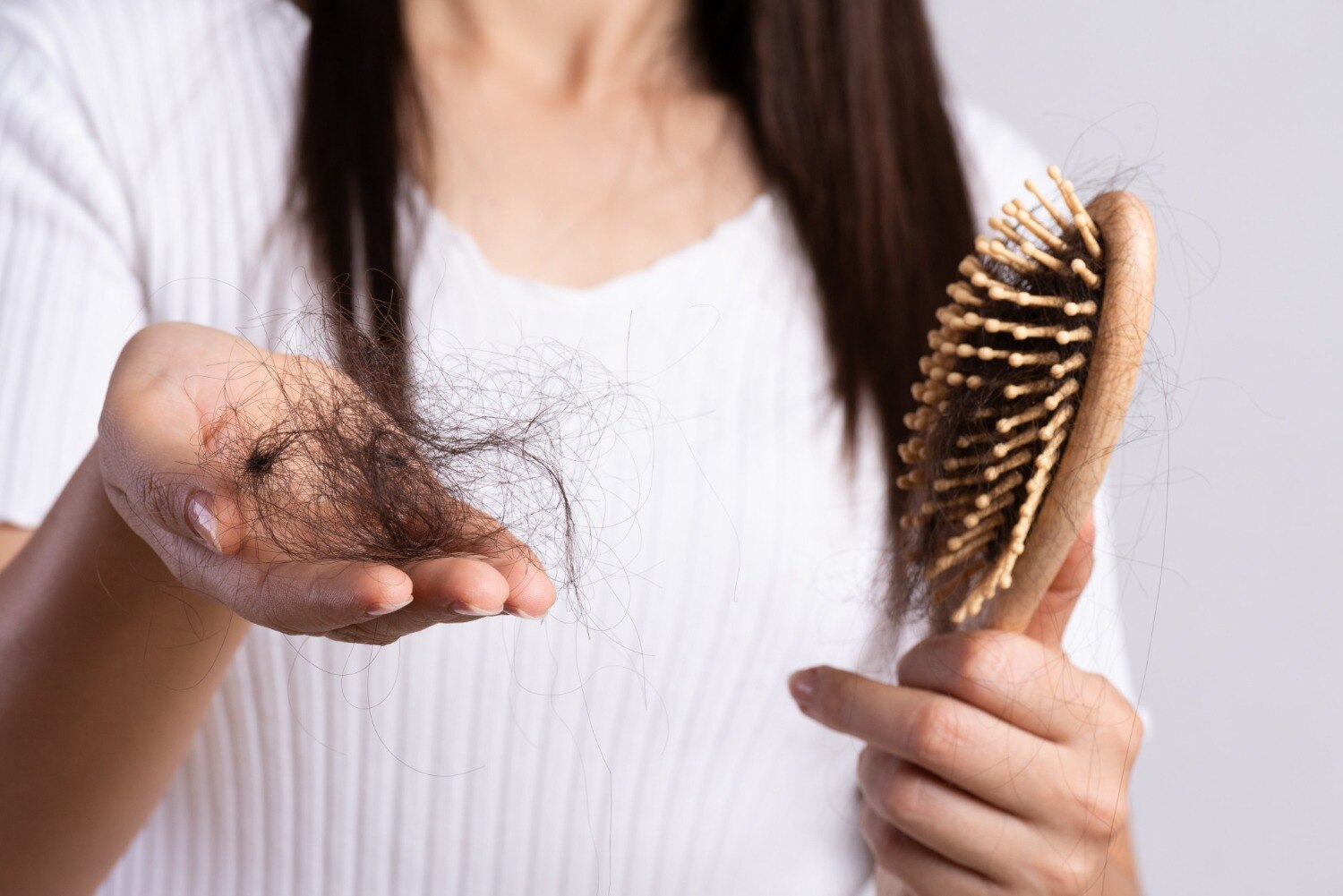
Hair in the brush is not enough to identify the cause. The timing, pattern, scalp condition and accompanying symptoms reveal whether you are seeing temporary shedding, progressive follicle miniaturisation or a condition that needs prompt medical care. By the end, you will know what to check, which clinician to consult and how to weigh medical treatment against cosmetic procedures.
Key takeaways
- Sudden shedding after illness or stress often differs from gradual pattern loss.
- Seek prompt evaluation for patchy loss, scalp inflammation, or rapidly worsening shedding.
- Compare treatments by cause, daily effort, side effects, and time to results.
- Confirm the cause before considering hair restoration surgery.
Match the pattern and timing to the likely cause
The pattern and delay between a trigger and shedding often reveal more than the number of hairs you lose. Normal shedding is roughly 50–100 hairs a day; a sudden increase does not always mean visible thinning, while gradual loss at the temples, crown, or part points to a different process.
| Cause | What you may notice | What the timing suggests |
|---|---|---|
| Androgenetic alopecia | Receding frontal hairline and crown thinning in men; a widened part with diffuse thinning in women | Gradual progression over months or years; it reflects follicle sensitivity to androgens, not poor circulation or shampooing |
| Telogen effluvium | Extra hair in the shower, brush, or pillow while the scalp still looks fairly full | Starts about 2–3 months after fever, illness, surgery, childbirth, severe stress, rapid weight loss, or a medication change |
| Alopecia areata | Smooth, sharply defined bald patches; eyebrows or eyelashes can also fall | Sudden onset; patches may regrow, but recurrent or extensive loss needs dermatologic assessment |
| Traction alopecia | Broken hairs or thinning along braid lines, the hairline, or areas under extensions and tight ponytails | Pain, stinging, crusting, or headache means tension is damaging follicles; early loss can improve after stopping, while prolonged traction can become permanent |
| Scalp inflammation | Flaking, redness, itching, greasy scale, or soreness | Ongoing inflammation from conditions such as seborrheic dermatitis or psoriasis keeps shedding active |
| Medical or nutritional causes | Diffuse thinning without a clear pattern | Iron deficiency, thyroid disease, nutritional deficiency, medication effects, and postpartum changes require matching the timing to the underlying event |
Telogen effluvium often settles after its trigger ends, but density takes additional months to return. Shedding that continues beyond about six months warrants reassessment rather than assuming it is temporary.
Photograph your hairline, part, and crown under the same lighting every four weeks; change in position, width, or density is more informative than one day’s hair count.
Use a simple self-check and recognise warning signs
Normal shedding is commonly about 50–100 hairs a day. A sudden increase in hair on your pillow, brush or shower drain, especially two to three months after illness, major stress, childbirth or rapid weight loss, can fit telogen effluvium even when your scalp still looks full.
Progressive thinning changes the appearance of your hair, not just the number of shed strands. A widening part, gradual crown thinning or a receding hairline points more toward pattern hair loss than a temporary episode. Broken hairs of uneven length suggest shaft damage or pulling rather than complete hairs shed from the root.
Use this home checklist for several weeks:
- Photograph your centre part, temples and crown under the same light, angle and dry-hair condition every four weeks. Compare the images, not your memory.
- Note whether shedding is falling, stable or increasing, and record recent fever, surgery, new medicines, pregnancy, dieting or severe stress.
- Look for patchy bald spots, eyebrow loss, or sharply defined areas instead of diffuse thinning.
- Check for redness, scale, heavy dandruff, pustules, crusting, pain, burning, tenderness, intense itch or shiny skin without visible follicle openings.
- Examine tight hairstyles: pain, stinging, headache or crusting while wearing braids, extensions, weaves or ponytails means the tension is excessive.
Arrange prompt dermatology assessment for inflammation, patchy bald spots, rapid progression or shiny areas. Persistent loss deserves evaluation before you assume a cosmetic treatment is appropriate.
Choose the right clinician and evaluation
A dermatologist should assess hair loss that persists, progresses, forms bald patches, or comes with scalp symptoms. The visit starts with a scalp examination and inspection of hair shafts, often using dermoscopy to identify miniaturised hairs, broken hairs, inflammation, scarring, or missing follicular openings.
Prepare details that help separate shedding from an underlying disorder:
- When the loss began and whether it followed fever, surgery, pregnancy, childbirth, rapid weight loss, or severe stress
- Changes in diet, menstrual cycles, menopause, medications, supplements, and family history
- Itch, pain, burning, tenderness, redness, scale, pustules, or shiny skin
- Eyebrow or eyelash loss, smooth patches, a widening part, or a receding hairline
| Assessment | What it can reveal | When it matters |
|---|---|---|
| Scalp examination | Inflammation, infection, scarring, or smooth alopecia areata patches | Pain, scale, pustules, or sharply defined loss |
| Dermoscopy | Hair-shaft breakage, follicle changes, and pattern loss | The cause is unclear on visual inspection |
| Blood tests | Iron status, thyroid function, or nutritional problems | Order them when history or examination suggests a systemic cause |
| Iron deficiency blood test | Low iron stores that can contribute to shedding | Heavy periods, restricted eating, fatigue, or diffuse loss |
| Scalp biopsy | Whether follicles are being permanently destroyed | Shiny areas or absent follicular openings suggest scarring alopecia |
Blood tests are not automatic for every patient. A biopsy matters because scarring alopecia needs prompt disease control, not cosmetic treatment alone.
Compare treatment options by cause, effort and risk
Observation is sensible when shedding follows illness, childbirth, rapid weight loss, medication change, or nutritional correction and the scalp shows no inflammation. Track photographs for three to six months; ongoing widening, patches, or scalp symptoms need treatment rather than waiting.
| Option | Effort and risk | When it applies |
|---|---|---|
| Observation | No treatment burden, but delay can waste time if follicles are being damaged | Temporary telogen effluvium or mild, stable shedding |
| Topical minoxidil | Apply consistently; irritation and an initial shedding phase can occur. Benefits fade after stopping | Pattern hair loss when you want a non-prescription starting option |
| Finasteride | Daily prescription treatment; sexual or mood-related effects need discussion. Avoid during pregnancy, including contact with crushed tablets | Male pattern hair loss when slowing miniaturisation is the goal |
| Other oral hair-loss medicines | Require medical review because blood-pressure, hormonal, liver, or pregnancy risks vary by drug | Selected pattern loss or inflammatory and autoimmune conditions |
| PRP hair treatment | Repeated injections, expense, and variable results; it does not correct an underlying thyroid or autoimmune disorder | Some pattern hair loss after diagnosis, when you accept uncertain benefit |
| Mesotherapy | Multiple scalp injections with limited evidence and risks including pain, infection, or inflammation | Rarely justified; identify the cause before choosing it |
| Scalp treatments | Shampoos, anti-inflammatory medicines, or antifungal treatment target scale, itch, psoriasis, or dermatitis—not every type of thinning | Inflamed or scaly scalp conditions |
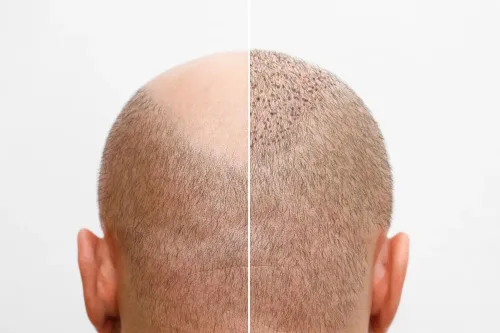
| Transplantation | Surgery redistributes finite donor follicles and carries healing and cosmetic risks | Stable pattern loss after active disease is controlled, not untreated scarring or rapidly progressing loss |
A dermatologist should assess painful, burning, pustular, shiny, or smooth scar-like areas promptly.
Know when treatment is worth pursuing before considering restoration surgery
Move from monitoring to treatment when thinning continues for three months, the part widens, the hairline recedes, or you develop bald patches, breakage, or scalp symptoms. Waiting is a poor strategy when the cause can worsen or destroy follicles permanently.
1. Document change: photograph your hairline, part and crown under the same lighting every four weeks. Compare these images with shedding, recent illness, weight loss, pregnancy, medication changes and family history.
2. Arrange assessment when loss is progressive, patchy or accompanied by pain, burning, itching, tenderness, redness, scale, pustules, or shiny skin without follicular openings. These signs need prompt dermatology review for conditions such as alopecia areata, infection or scarring alopecia; a scalp biopsy can be necessary.
3. Treat the cause before choosing a cosmetic procedure. Your clinician might recommend thyroid or iron testing when your history and examination support it, or discuss treatments such as minoxidil or finasteride. Finasteride requires continuous use, has sexual and mood-related risks, and is unsuitable during pregnancy or when pregnancy is possible.
Hair transplantation redistributes a limited supply of donor follicles; it does not stop miniaturization in untreated native hair. Operating during active inflammation, infection, alopecia areata or scarring disease can allow progression, obscure diagnosis and waste grafts. Dr Nakul Somani can help structure hair fall treatment in Jaipur around disease control before restoration is considered.
Related services
Hair Transplant Effective Treatments for Hair Loss in Jaipur People lose between 50 to 100 hairs each day, this is a normal case scenario and something which is not... View service → |
Hair Transplant Forget your Hair Loss Problem by Getting PRP Treatment Hair loss is a growing problem faced by everyone nowadays. View service → |
Frequently asked questions
How can the pattern and timing of hair loss suggest its cause?
Sudden shedding after a trigger such as illness or major stress differs from gradual thinning at the temples, crown, or part. Pattern and the delay between trigger and shedding help guide the evaluation.
What warning signs mean you should seek professional evaluation?
Arrange an assessment for patchy hair loss, scalp pain or inflammation, rapidly worsening shedding, or loss affecting the eyebrows or other body hair.
What should a clinician check before recommending hair fall treatment?
A clinician should review your timeline, family history, medicines, recent illness, nutrition, and scalp appearance before deciding whether tests or treatment are appropriate.
How should you compare hair-loss treatment options?
Compare each option with the likely cause, expected effort, time to results, side effects, monitoring needs, and the risk of treating the wrong condition.
When should you consider hair restoration surgery?
Consider restoration surgery only after a clinician identifies a suitable, stable pattern of hair loss and you understand nonsurgical treatment options, recovery, risks, and expected density.
Related services
Hair Transplant in Jaipur The Ultimate Guide to Hair Transplant: A Life-Changing Solution for Hair Loss and Confidence Restoration Hair loss is a deeply personal experience... View service → |
Hair Transplant Mesotherapy Get Effective Treatment of Mesotherapy for Your Hair from Engrace Clinics To avoid the embarrassment of hair loss and boosting your self-esteem,... |
Hair Transplant Rejuvenate your Scalp with Advanced Scalp Rejuvenation Treatments At Engrace Clinics, with the help of our scalp rejuvenation treatment, you can... View service → |
Hair Transplant Get Hair Restoration Done Successfully at Engrace Clinics with Follicular Unit Transplantation (FUT) Follicular Unit Transplant or profoundly known... View service → |