A consultation should give you more than a procedure name and a price: it should explain the problem being treated, the realistic alternatives, the risks, and the care required afterward. By the end, you should be able to compare surgery with less invasive choices, verify the clinician and facility, and decide whether to proceed, postpone, or decline.
Key takeaways
- Ask what will improve, what will remain, and how the surgeon assessed it.
- Verify the surgeon’s qualifications, facility licence, and anaesthesia arrangements.
- Share your medical history, medicines, allergies, smoking, and previous procedures.
- Request written details on recovery, follow-up, maintenance, and total costs.
What problem is being treated, and which options address it?
The proposed procedure fits only when the surgeon’s diagnosis matches your actual goal and your anatomy can support the change. Ask what will improve, what limitation will remain, and whether photographs, measurements, scans, or a physical examination support that conclusion. A promised shape without an anatomical explanation is a warning sign.
Use this cosmetic surgery consultation checklist:
- What is your surgeon diagnosis, and which finding is the procedure intended to correct?
- Which treatment alternatives address the same problem, including non-surgical alternatives and no procedure?
- Would a staged operation, maintenance treatment, or later revision be expected for this result?
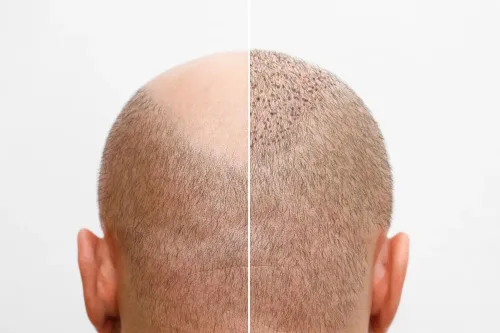
- If this involves hair transplantation, how do donor density, hair caliber, future-loss pattern, and medical treatment affect the plan? Donor follicles are finite; aggressive harvesting can leave visible depletion and too little supply for later loss.
| Option | Best fit | Question to resolve |
|---|---|---|
| Procedure | A structural problem that surgery can change | What measurable improvement is realistic on your anatomy? |
| Non-surgical alternative | Skin, volume, hair, or muscle concerns without an operation | How long will the effect last, and what maintenance is required? |
| No procedure | A concern where risk outweighs likely benefit | What limitation would remain, and why is observation safer? |
| Staged treatment | A correction that exceeds one operation’s safe or practical scope | What must happen first, and when could revision be considered? |
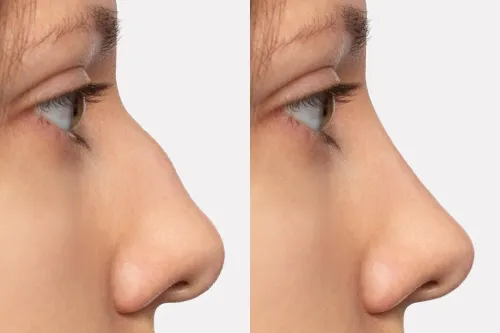
Ask the surgeon to show comparable before-and-after cases with similar anatomy, not just ideal results. A sound recommendation explains why the chosen option fits you and why the alternatives do not.
What qualifications, facility, and anaesthesia arrangements should you verify?
Verify the surgeon’s identity before judging the sales consultation. Ask whether they hold certification from the American Board of Plastic Surgery, then complete ABPS verification in the board’s public database. Also confirm medical registration, recognised plastic surgery training, hospital privileges, and procedure-specific experience; “cosmetic surgeon” and “board-certified” alone do not identify the certifying body.
Ask for these details in writing:
- The operating facility’s name, address, licence or accreditation, and approval for the planned level of anaesthesia.
- The surgeon’s recent rates of infection, hematoma, unplanned hospital transfer, reoperation, and revision for this exact procedure.
- Who will administer anaesthesia, their qualifications, and who will monitor you during recovery.
- The fasting instructions, postoperative observation period, pain-control plan, nausea prevention, blood-clot prevention, and overnight contact if you become unwell.
| Anaesthesia level | What to verify | A warning sign |
|---|---|---|
| Local anaesthesia | Injection plan, monitoring, and rescue arrangements | No explanation of monitoring |
| Sedation | Qualified anaesthesia professional, airway equipment, and recovery observation | The surgeon cannot name the anaesthesia provider |
| General anaesthesia | Accredited or licensed facility, emergency equipment, continuous recovery monitoring, and hospital-transfer plan | Office surgery with no clear transfer arrangement |
Ask whether the surgeon has hospital privileges relevant to the procedure, even when surgery occurs elsewhere. Privileges do not guarantee a good result, but refusal to explain them or the facility’s emergency pathway warrants a pause.
What risks and personal health factors could change the recommendation?
Ask for the surgeon’s own complication rates for this exact procedure, not a generic “low risk” claim. Request separate figures for infection rate, hematoma, unplanned hospital transfer, reoperation, and revision rate, with definitions, follow-up period, and patient risk groups explained.
Ask these questions:
- How often have your patients developed infection, bleeding, wound problems, blood clots, anaesthesia complications, or required reoperation?
- What is your blood clot prevention plan, including compression, walking, medication, and warning signs?
- Which prescription medicines, aspirin, anticoagulants, painkillers, vitamins, or herbal products should I continue or stop, and when? Do not stop prescribed medicines without specific medical instructions.
- How would nicotine, vaping, alcohol, recreational drugs, sleep apnoea, allergies, previous anaesthesia problems, or a history of blood clots change my plan?
- What would make you postpone or refuse treatment, such as an active infection, uncontrolled medical condition, pregnancy, recent nicotine use, or unsafe test results?
Nicotine can impair blood flow and wound healing, so ask how long you must stop before and after surgery and whether testing is required. Discuss the anaesthetist’s plan, airway risks, monitoring, pain control, and what happens if you need hospital transfer.
For genital cosmetic surgery, ask about sensation, sexual function, urination, childbirth, scarring, chronic pain, and revision surgery—not only appearance. Request written consent covering material risks, alternatives, uncertainty, and postponement; promotional photographs cannot replace that discussion.
What result, recovery, and long-term maintenance are realistic?
Ask the surgeon to define the realistic cosmetic surgery results for your anatomy: what will change, what limitation will remain, and whether the result will look different rather than flawless. Request a recovery timeline that covers pain, swelling, work, exercise, driving, scar maturation, and the date for judging the final result.
Ask these questions before consenting:
- What specific change should I expect, and what will this procedure not correct?
- How long is the result expected to last?
- Could ageing, pregnancy, further weight loss, or disease alter it?
- Will I need staged surgery, maintenance treatment, or revision?
- What follow-up examinations, scans, photographs, or medicines will I need?
- Who pays for treatment if a complication or revision occurs?
Weight stability matters before body-contouring surgery. Ask how long your weight should remain stable; further major weight loss or pregnancy can loosen skin again and change the result.
Hair transplantation also needs a forward-looking plan. Ask the surgeon to assess donor density, hair calibre, and future loss, and explain whether medical treatment should begin first. Donor follicles are finite, so aggressive harvesting can leave visible thinning, scarring, or too little supply for later loss.
For breast implants, request the manufacturer, model, expected lifespan, FDA patient decision checklist, and implant surveillance plan. FDA guidance recommends ultrasound or MRI at 5–6 years after silicone-gel implantation and every 2–3 years afterward. Ask how records will reach you if you move or the clinic closes.
What will the treatment cost, require afterward, and commit you to?
Do not decide from a headline price; obtain a written cosmetic surgery estimate and a separate consent document before paying a deposit. The estimate should itemise the surgeon, anaesthesia, facility, medicines, garments, pathology, overnight care, taxes, and any excluded services. Ask how long the quote remains valid and whether cancellation changes the refund.
- Request an aftercare plan stating the number and timing of visits, drain or dressing care, activity and travel restrictions, warning signs such as fever or abnormal swelling, and the emergency contact available outside clinic hours.
- Ask who pays for treating infection, bleeding, anaesthesia problems, or another complication, and obtain revision surgery costs if the result needs correction.
- Request copies of operative notes, implant details or batch numbers, prescriptions, photographs, test results, and discharge instructions. Ask how you will access them if you move or the clinic closes.
- Confirm the long-term follow-up schedule for implants, injectable treatments, progressive hair loss, or weight-management treatment, including repeat-treatment fees and monitoring tests.
| Written detail | What to check | Why it matters |
|---|---|---|
| Fee estimate | Included and excluded charges | A low quote can omit facility or anaesthesia fees |
| Consent document | Risks, alternatives, recovery, uncertainty, and postponement option | Photos cannot replace informed consent |
| Aftercare plan | Visits, restrictions, warning signs, and emergency contact | Delayed care can worsen complications |
| Records and follow-up | Storage, transfer, surveillance, and repeat-treatment arrangements | Care may continue after the procedure |
Dr Nakul Somani should be asked to provide these documents for review without pressure to decide during the consultation.
Frequently asked questions
What should you ask about the problem and available procedures?
Ask what diagnosis explains your concern, which procedures address it, what improvement is realistic, and what limitation will remain. Request the measurements, photographs, scans, or physical examination findings supporting the recommendation.
Which surgeon and facility details should you verify?
Ask about the surgeon’s qualifications and experience with the proposed procedure. Verify the facility’s licence, where the procedure will take place, who provides anaesthesia, and how complications are handled.
Which health factors can change a cosmetic surgery recommendation?
Tell the surgeon about medical conditions, medicines, allergies, smoking or nicotine use, previous operations, and any history of poor wound healing or abnormal scarring. These factors can affect eligibility, technique, anaesthesia, and recovery.
What should you ask about results and recovery?
Ask what result is realistic for your anatomy, how long swelling and activity restrictions may last, which warning signs require urgent help, and how follow-up appointments will work. Discuss whether the result needs future maintenance or additional procedures.
What costs and commitments should you clarify before treatment?
Request a written total covering the surgeon, facility, anaesthesia, tests, medicines, garments, follow-up visits, and treatment of complications. Ask what happens if you need revision surgery and whether recovery requires time away from work or daily responsibilities.